The wastewater lift station of municipal facilities is outdated. Pumps are nearing the end their usefulness, the controls require modernization and the access hatch should be replaced. Yet the concrete wet well remains structurally sound.
Do you think the station should be destroyed and rebuilt? Not necessarily. It is better to determine if the infrastructure that is in place will be able to support the modern pumping system without compromising capacity in the future and reliability or maintenance access.
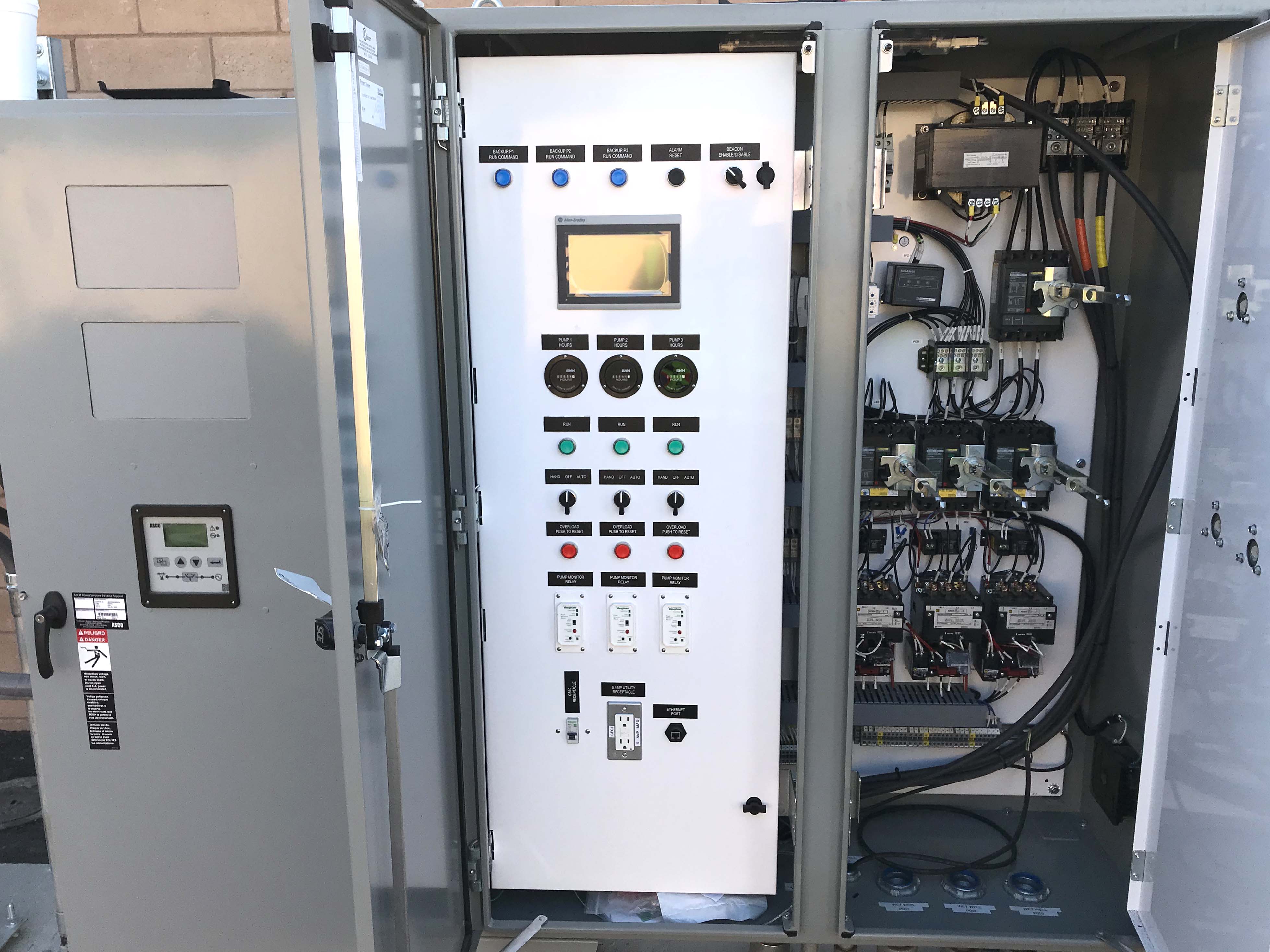
Image credit: romtecutilities.com
The retrofitting of an pumping station that has been meticulously designed could save valuable infrastructure, and can also help in replacing components that no longer meet operating requirements.
Start with the structure that nobody wants to replace.
Wet wells can be the most expensive and difficult component to replace as they are underground and connected to existing pipes, and vital to wastewater collection.
Intentionally retaining the concrete structure could reduce excavation work and construction.
However, deterioration near the access hatch may complicate your choice. Romtec Utilities identifies wet well hatch replacement as an usual retrofit requirement. It could be more durable to remove the top slab rather than attach a new hatch on concrete that has deteriorated. This method can increase accessibility and increase the usefulness of the structure without re-building the entire wet well.
A new pump improves the design
If a neighborhood in the area has grown substantially since its first lift station was built. The current pumps might not be sufficient for increased flows of wastewater.
A pumping station upgrade could involve higher-horsepower pumps, but equipment selection cannot happen independently of the surrounding system.
Engineers must also think about the hydraulic needs of the system. This includes flow and total dynamic pressure. The installation of a bigger pump without considering the circumstances may cause more issues than it resolves. Planning future capacity in the initial design makes future expansion considerably easier.
Ensure that the waste water is moving throughout the construction process
Retrofitting an existing water pump station could be the challenge of a completely new one. Unlike other equipment replacement projects, this one will have to remain operational during construction.
Even when contractors are busy, wastewater continues to arrive. Based on the nature of the project the temporary bypass pumps could be required to keep services during removal and the installation of the existing equipment.
Romtec Utilities took on this kind of problem in the Federal Law Enforcement Training Center in Brunswick, Georgia.
The project included replacing two aging wastewater lift stations in the process of maintaining operation at the facility. Specific engineering for the site packages, replacement systems for packaged equipment, and bypass pumping strategies helped adapt to the station’s footprints and operational demands. This is a good example of why it is important to think about the sequence of construction prior to constructing.
If you think replacement is the better alternative, then replacement is the best
Not all stations are suited for rehabilitation. If the sewer lift station requires replacement because of a severely degraded well, structural limitations or major changes in the hydraulic requirements, it could be more appropriate to replace the station rather than modify.
In making a final decision, it is essential to think about the structural condition of the building, its compatibility with equipment, its accessibility to construction, continuity of service and long-term requirements. Romtec Utilities begins retrofits and replacements by identifying the components that are to remain and the ones that require replacement.
From there, the company develops site-specific engineering solutions initial designs, as well as budgetary estimates. Prefabricated components are also useful in arranging installation and decreasing certain on-site demands.
The Project Doesn’t End When the Pumps Begin to Run
The modern lift station needs to be able to function as a system. Prior to returning the lift station to service, tests of startup and commissioning will help ensure that the pumps and controls as well as other equipment work in accordance with an approved design.
Manuals as well as training for operators are equally important. Before taking on the responsibility of a station, maintenance personnel must be aware of new procedures, equipment and the documentation.
Retrofitting infrastructure successfully preserves its value while fixing the issues that caused modernization.
This means that municipalities and facility owners need to think beyond immediate repairs. The strongest project is one that integrates the new equipment into existing structures, keeps up with essential service throughout construction, and also prepares the pumping system for years of continuous operation.
