Imagine trying to fit a new hairstyle into a Saturday filled with errands and family commitments. The inspiration photo may already be saved, yet practical questions remain: how much chair time should you allow, what should you do before arriving, and what will everyday upkeep involve? A packed weekend can make even a carefully planned hair appointment feel like a difficult calendar decision. When the weekend is already booked with family activities, the practical details of a braiding appointment deserve a place in your plans.
Excitement about a hairstyle can push planning questions into the background. At WOW African Hair Braiding Bissonnet, clients can explore knotless braids, conventional box braids, cornrow styles, and children’s hairstyles. Knowing what distinguishes these options before you book can improve both the appointment experience and your satisfaction afterward. A clear understanding of the options can turn a confusing choice of styles into a practical plan. Comparing styles before booking helps separate what catches your eye from what your schedule allows. Two styles may both look neat and versatile while involving distinct maintenance routines. The choice between knotless styles and traditional box braids involves more than appearance alone. At WOW African Hair Braiding Bissonnet, asking about your chosen style before the appointment can help avoid last-minute surprises.
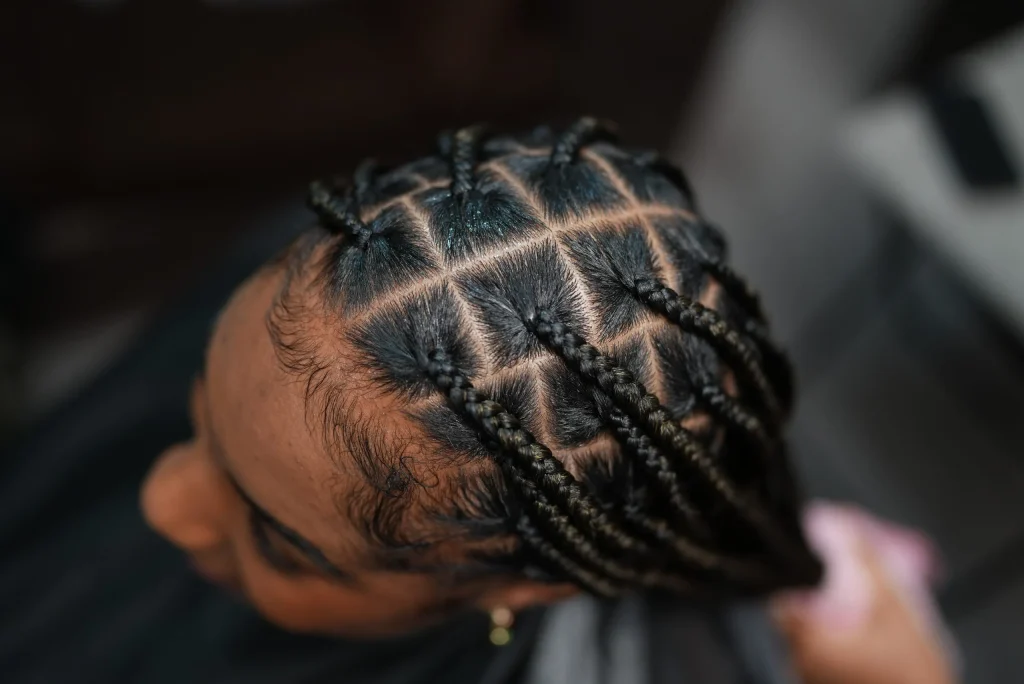
The Appointment Begins Before You Reach the Salon
Thoughtful planning often makes the appointment easier. Your natural hair, intended braid length, and daily habits should guide the choice. Save a few reference photographs showing the braid thickness, parting layout, and final result you prefer. Reference photos work best when they show the braid pattern clearly, including length and finishing. A single picture may not communicate whether you prefer shorter or longer extensions, so several examples can support a better discussion. Your natural hair’s density and sensitivity should be part of the decision, not an issue considered only during installation. A hairstyle that works for one person may need a different section size to suit your own comfort needs. Even a brief discussion about reference images and extensions can help make the appointment less stressful.
The difference between small, medium, and larger braids goes beyond appearance. Smaller braids typically require more sections and may take longer to install and remove. Medium-sized braids offer a middle ground, whereas large braids create a stronger visual statement with fewer individual pieces. Smaller sections can create a densely braided finish, but that detail usually involves additional individual braids. The more individual braids a style requires, the more work may be involved in installation and removal. Medium sizes can be a middle-ground option for people who want styling options without choosing a particularly fine braid pattern. The appeal of a medium-sized style often lies in its moderate section count, rather than the finest possible braids. Choosing fewer, larger sections changes the visual effect, but it does not automatically determine how well they suit your hair.
A knotless braiding salon in Bissonnet can help you compare these options, but size alone doesn’t determine comfort or the completed look. The weight of added hair, total length, sensitivity of your scalp, and how you usually style your hair all influence the experience. Two people requesting the same braid size may experience different maintenance needs because their scalps and routines differ. A style’s comfort depends on the combined effect of braid length, extension weight, and scalp sensitivity, not simply the photograph. Someone who wears braids down most days may need a different balance of comfort and styling freedom. Everyday habits, including frequent updos, can influence whether a proposed style feels comfortable over time. The useful question is not only whether the style matches a picture, but also how it will feel.
Which Braiding Technique Fits Your Needs?
There is no single braiding technique for every preference. Traditional box braids offer clearly separated braids; knotless installations feed in extensions to achieve a smoother root transition. Cornrows lie along the scalp and range from uncomplicated straight-back styles to elaborate designs. Traditional box braids are often recognized by the distinctive pattern at the roots, while knotless styles use a different approach to adding hair. The difference between traditional box braids and knotless braids is not just a name; it includes the technique used during installation.
Clients seeking box braiding services in Bissonnet should consider how much styling flexibility they want and how much time they can devote to maintenance.
Someone who frequently wears updos may have different priorities from someone who prefers leaving their braids down. The right choice depends on your hair and lifestyle rather than whichever style happens to be trending. A customer who leaves braids loose may prioritize finished length and movement, while someone who ties them up often may focus on weight and flexibility. For people who regularly wear hair pulled away from the face, the relationship between length and everyday movement deserves attention.
Comfort Should Never Be an Afterthought
A braided hairstyle is not automatically protective. How it is installed, worn, and cared for determines whether it supports your hair’s needs. The word protective describes how hair is managed, not a guarantee that every installation is gentle. Braiding can reduce some daily manipulation, but that does not mean scalp discomfort should be accepted.
Too much tension can cause scalp irritation and may contribute to breakage or a condition known as traction alopecia. If braids feel painfully tight during installation, tell your stylist immediately. Afterward, avoid tight buns or ponytails that pull on newly braided hair. Traction alopecia is associated with ongoing tension around the roots, which is why tension deserves attention. A polished braid pattern should never depend on discomfort at the roots; these symptoms warrant attention during the appointment. Even after installation, habits such as tight ponytails may increase scalp discomfort. The way you wear your braids afterward can affect the amount of pulling at the roots. Tell the stylist about sensitive areas before the work begins, and ask questions if something hurts.
Extra care may be appropriate when braiding children’s hair or working around fragile hairlines. An attractive result is not worth persistent pain. Children may be less able to explain which areas are uncomfortable, so caregivers should pay attention to signs of distress. A delicate hairline can make tension and styling habits especially important. Adjusting the size, length, or amount of added hair can help align the style with the wearer’s comfort. There is no reason to prioritize a dramatic finished look over healthy hair practices. The most attractive result is one the wearer can maintain comfortably.
A Convenient Salon Visit Starts With Clear Expectations
Proximity is only one factor when you look up African braiders near me. Consider whether the salon explains options clearly and offers styles appropriate for your family. In Southwest Houston’s Bissonnet area, WOW African Hair Braiding provides traditional and contemporary braiding for women, men, and children. A convenient location can make scheduling easier, but it does not replace a clear discussion of services. Finding a nearby salon is only the first step; the next is confirming whether the salon serves your needs.
Ask about the intended style and length, likely chair time, total price, and whether you need to bring extension hair before reserving an appointment. Discuss braid design, finished length, estimated duration, cost, and extension-hair needs so the stylist understands what you expect. A reference image may show the braid pattern and finished shape, but it does not communicate your sensitivity to tension. When describing your preferred style, include details such as the thickness of individual braids. Ask whether the appointment requires extra time for the chosen style so you can arrive with the necessary materials. Knowing the practical requirements in advance helps prevent last-minute confusion once you reach the salon. A straightforward exchange about your expectations and the salon’s requirements makes the appointment easier to plan.
Aftercare Habits That Help Maintain Your Braids
Once your appointment is complete, gentle upkeep can help preserve the style. Cover your hair with satin when you sleep, clean your scalp without layering on too much product, and make sure the braids dry completely after washing. Nighttime protection can reduce unnecessary friction, although it does not eliminate the need for attention to cleanliness. A satin scarf or bonnet may help keep braids protected from friction, especially when paired with appropriate aftercare. Too much product can contribute to buildup on the scalp, so choose a routine that avoids overapplication. When cleansing braids, take care to rinse appropriately afterward. After washing, thorough drying is an important part of routine hair care.
Know when it is time to remove the braids. Continued irritation, tangling, or breakage are reasons not to extend wear indefinitely. A style’s lifespan should be guided by your scalp’s comfort, not simply whether the braids still look acceptable from a distance. Braids should not remain in place without regard for changes in the condition of your hair.
Appearance matters, but everyday comfort matters too. By preparing for your next Bissonnet salon visit and caring for the braids afterward, you can enjoy a hairstyle that complements your schedule rather than disrupting it.
A good result should still feel appropriate for family activities after the excitement of the appointment has passed. A style that fits your schedule and hair needs can be easier to enjoy than one selected only for a photograph. Preparation, a clear discussion of expectations, and appropriate maintenance all contribute to a smoother appointment and upkeep routine. Making room for questions before the appointment can help you leave with fewer surprises. Whether you choose knotless braids, the goal is to find a look that feels right for everyday wear.
