The month has come to an end. The month is finished.
It is recommended to check the restaurant’s bank account.
The number isn’t exactly what you’d hoped for.
For restaurant owners, this gap can be frustrating as profit and available cash seem like they should provide the same information. The two don’t line with each other. A P&L evaluates the financial performance over a period, while the bank account is a reflection of the actual timing of money going into and out the business.
Understanding the differences could help restaurant owners shift their perspective on restaurant finances.
Imagine what happens on a typical workday. The customers pay for food. Employees have to be paid. Food and drinks deliveries arrive with invoices attached. Rent is coming up. Credit card transactions have their own specific timing. Sales tax is collected but it’s also a responsibility.
The purchase for next week has already started.
If you focus solely on revenue and the end-profit number it’s easy to overlook an abundance of activity.
Prime Cost could be the Key to the Answer
If restaurant profitability begins to decrease, cost of food, drinks and labor costs should be taken into the equation.
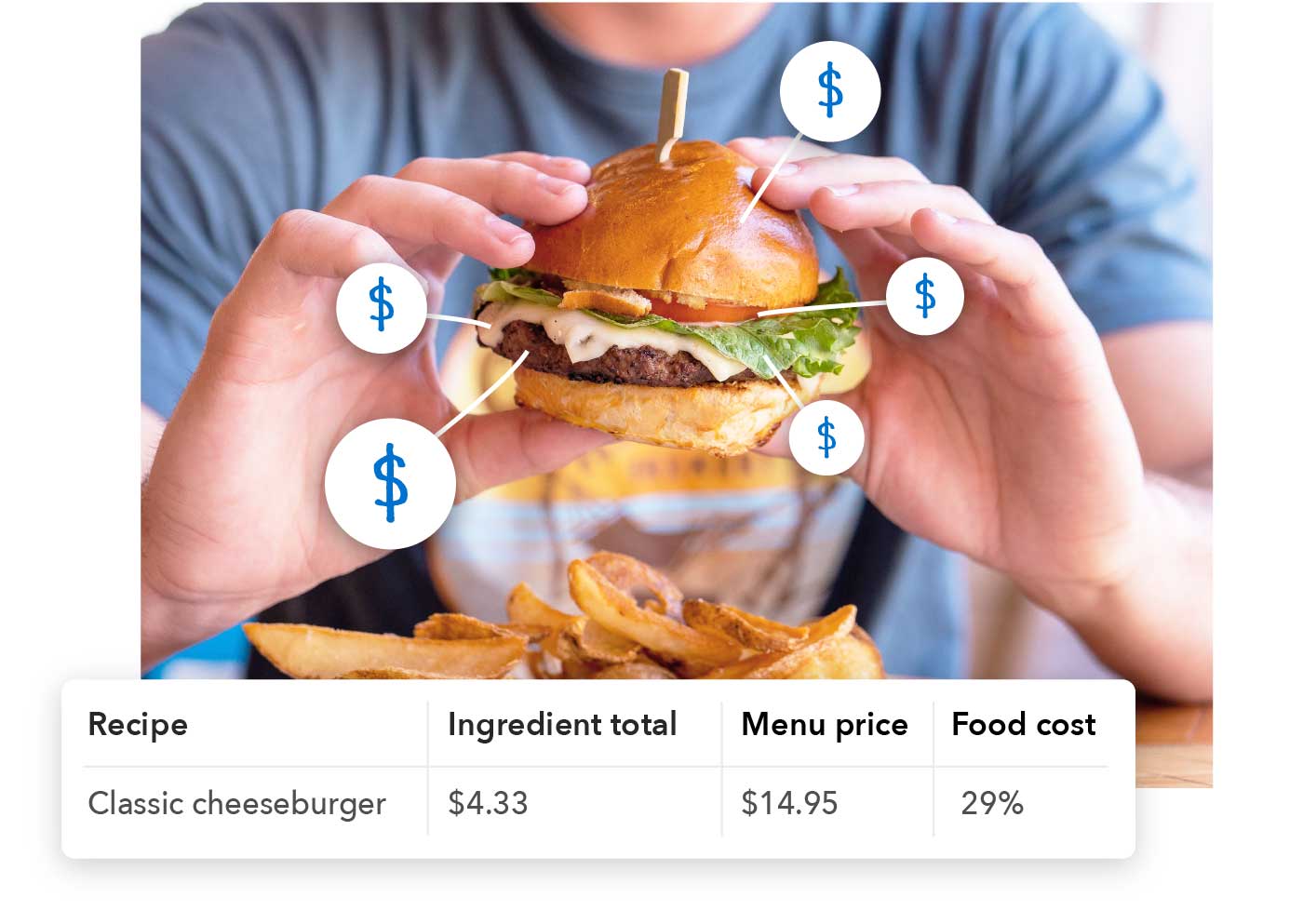
Prime cost is made up of both the cost of items and labour. Bookkeeping Chef’s supplied guidance places the cost of goods sold at 60% to 65% of revenue for many restaurants, focusing on regular monitoring instead of waiting until the end of the month.
Effective prime cost management is less about obsessing over a single percentage and more about noticing movement early.
Let’s say that a restaurant typically performs at or near its goal however this week’s performance increases. Perhaps overtime was is up. Maybe the costs for beverages were stable while food costs grew. The chef may look over menus or waste, portion sizes or vendor invoices, as well as purchasing if the food portion is higher.
The percentage is the most important. The answer lies in the underlying activity in the restaurant.
A weekly report makes this conversation possible and everyone remembers the events.
A few weeks later, the details become much harder to decipher.
The Vendor’s Bills Are Received
Restaurants may buy ingredients this week but have to pay for them in the future. This is a way to explain how profit alone will not be enough to answer all cash questions.
Vendor invoices must be accounted for, tracked and paid. This can be lots of work for the case of a business with several suppliers.
Automating accounts payable can help organize the process by cutting down on repetitive handling of bills and payment details. Bookkeeping systems that are connected to accounting systems can provide owners with a clear picture of obligations, even if they have not yet been paid.
It’s beneficial because, when taken as a whole the restaurant’s financial position may appear to be more stable than its actual short-term financial position.
It might be that there are $80,000 in your account at the moment. This number could mean something different in the event that payroll, rent vendors, or other obligations consume a significant part of it in the next several days.
That leads naturally to the process of forecasting cash flows.
The best question to ask yourself is “What happens to our funds after we have received the funds and have fulfilled our obligations we have made?”
The difference can be crucial when deciding whether this is the right time to replace equipment, make an addition purchase, or maintain the liquidity.
and some of the cash Was Never Yours
The sales tax illustrates this point very well.
Restaurants receive money from their customers, which they have to follow in accordance with the tax requirements. When these money are thought of as combined with operating cash, they can provide a false perception of the amount of money that is available for spending.
The consistent recording system allows restaurants to comply with the sales tax laws while also providing an accurate view of their financial position.
Accounting for restaurants is more efficient when the financial obligations of each restaurant are not handled separately.
Prime cost affects margin. COGS (cost of products sold) and future payments are impacted through purchases from vendors. Payroll affects both the labor and cash percentage. The availability of cash is influenced by sales tax. P&Ls track financial performance, while forecasting lets management examine the future.
Connect the pieces.
Bookkeeping Chef makes use of restaurant-specific reports as well as system integrations to put all the pieces together. Bookkeeping outsourcing can benefit owners who do not wish to work all night reconciling their financial records.
It’s the final part that’s important.
It’s not for restaurant owners to stop looking at the books because they are handled by someone else. It’s to provide owners with details in a manner which helps them comprehend what’s happening.
If the P&L shows that the restaurant is earning money but the bank balance seems insufficient, don’t believe that the P&L could be wrong.
What happened between the two?
That question can teach you far more about your restaurant than any other number could alone.
