For one wearer, the appeal of the wig’s color is offset by a cap that feels uncomfortable after hours of use. A second wearer likes the realistic hairline, yet would rather avoid spending twenty minutes adjusting lace each morning. Someone else buys a beautiful unit, only to discover that the density feels heavier than expected.
There is more value in these comments than a wig business might initially see. Such comments can guide design decisions toward products that deliver a wearing experience people appreciate.
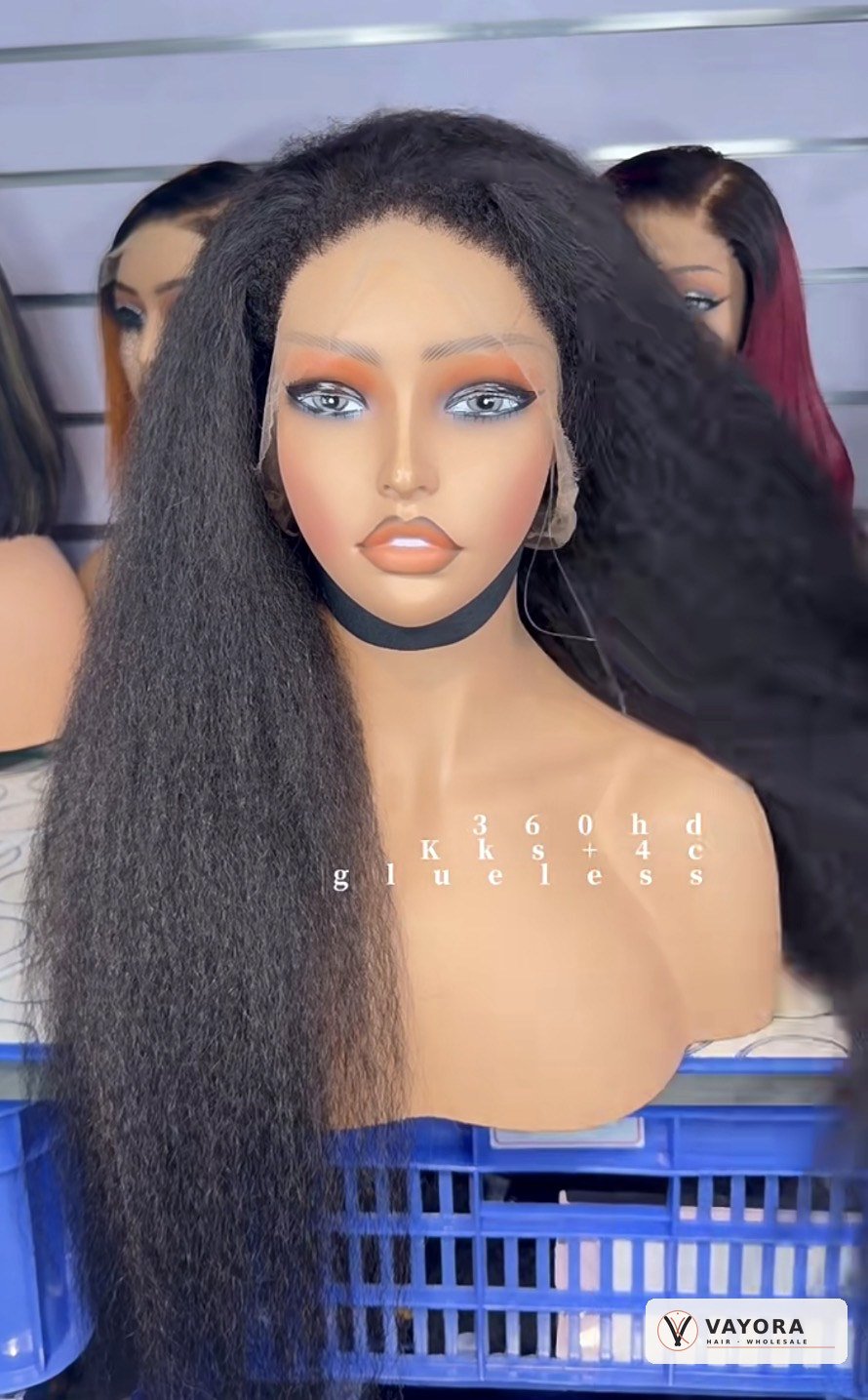
Image credit: vayorahair.com
A successful range does not have to center on the latest viral hairstyle. A collection should begin with the wearer’s needs and the experience they want when wearing the unit.
Listen to the Problems Behind the Purchase
Customers rarely describe their needs using manufacturing terminology. Comfort during wear, how convenient it is to use, how it looks and how confident the wearer feels are what customers describe. The desire to make the morning routine easier may indicate a need for a glue-free construction. Feedback about a hairline that does not look natural can highlight possible issues with lace appearance, knot treatment, hair density, or parting design.
Converting customer observations into measurable specifications is a capability to look for in a human hair wig manufacturer China brands choose.
Instead of simply requesting a 22-inch body-wave wig, a buyer can define the intended wearing experience, cap fit, lace construction, hairline appearance, and finished weight. The development team benefits from having a clearer set of objectives.
Build Your Private Label Range Its Own Identity
Rather than defining their own range, many emerging brands organize their catalogs around the styles that are popular today. The outcome may be a product lineup that looks very similar to those of competing stores.
A collaborative relationship with a private label wig manufacturer China retailers choose can help a brand develop a cohesive product identity. Possible directions include a lightweight everyday range, a premium collection with natural-looking hairlines, or ready-to-wear units for buyers who want minimal preparation. Every choice, from length, texture, and color to density, cap construction, and packaging, should reinforce the same promise to customers. When a range has a consistent character, customers have a reason to return that extends past a temporary promotion.
What Matters in Glueless Wig Construction
The term “glueless” sounds simple, but the wearing experience depends on several construction details. A secure, comfortable fit depends on cap sizing, adjustment features, attachment components, lace preparation, and hairline design.
A glueless wig manufacturer China buyers choose should help clarify these requirements before production begins. Manageable density, pre-cut lace, and simple adjustment features may be particularly important when the intended customers are first-time wig wearers. A professional stylist’s collection might require different customization options. There is no universal preference for either approach. What distinguishes them is the buyer each is designed for.
The Role of Sampling Helps Protect a Brand
A product photograph cannot tell you everything about a wig. Buyers need to examine how the cap fits, how the hair moves, whether the color matches expectations, and whether the finished construction reflects the approved design. Reviewing samples allows buyers to spot differences before placing a larger order.
When a wholesale human hair wigs supplier needs to produce a style repeatedly, written specifications and quality checks and procedures are particularly important. The success of the first batch may be hard to reproduce without clear references.
Build a Collection That Can Grow
VAYORA works with B2B wig retailers, distributors, and brands to support product development, private label services, sampling, specification control, and repeat-production workflows. The focus is on connecting what wearers expect with the construction details responsible for how the wig looks, fits, and feels.
Before expanding a catalog, brands should examine customer feedback, identify their strongest product opportunities, and establish clear approval standards. More styles are not necessarily what the next successful product lineup requires. It may require fewer compromises in the styles customers already want.
