A nightclub can be equipped with bartenders who are trained and alcohol policies written down and a skilled manager at every shift. They may be described as reassuring in a manual for employees.
Imagine the night of a Saturday that’s packed, with bartenders serving the exact same group of customers, while a floor manager deals with a disturbance and customers ordering drinks from various locations. Who’s accountable for determining when somebody shouldn’t have alcohol in the future?
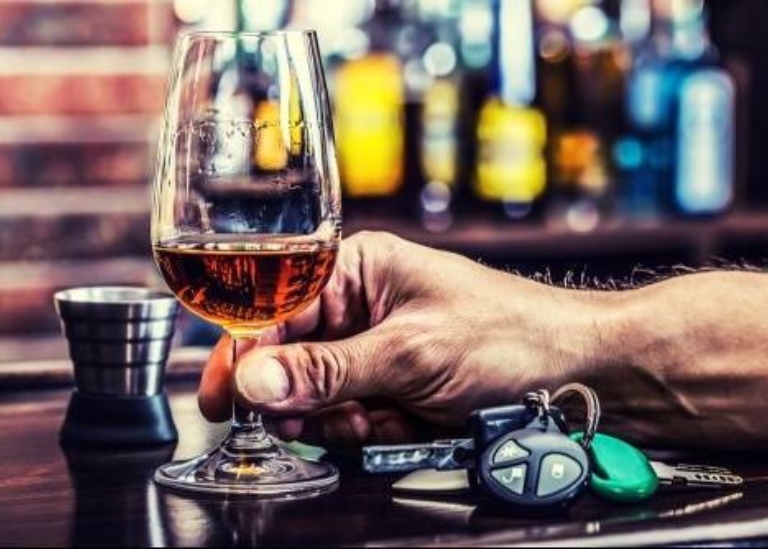
This issue is more relevant in the context of dram shops litigation, rather than simply determining the quantity of drinks being sold.
At first, the staff will be able recognize signs of an investigation into possible overservice.
Dram Shop expert witnesses will determine if the alcohol service choices made by employees were conforming to the industry standard and conditions.
An eventual drunkenness of a client does not in itself establish that a bartender observed distinct warning signs in the course of service. The investigation needs to consider the behavior of the customer as well as the timing of service, staff observations, and available evidence.
Surveillance footage may expose a person’s inability to walk, bizarre movements, or interaction with employees. Witness testimony can provide further information, but their recollections could differ. It is crucial to distinguish between what investigators learned following an incident and what staff members could have reasonably known in the moment.
One tab doesn’t always mean One Drinker
Interpreting point-of-sale reports requires prior experience in hospitality. One customer may purchase multiple rounds of drinks for their friends. Bottle-service transactions can include more than one individual. Separate bartenders could process orders without knowing what other employees previously did.
Alcohol experts are able of examining quantity of drinks consumed and transaction times along with surveillance videos as well as staffing information to make a better timeline for service.
The analysis can reveal instances when employees could have intervened, or recognized that they were intoxicated. The analysis may also indicate that there isn’t enough evidence to establish who was the one drinking one particular beverage.
Training is only relevant when it is completed on the floor.
While employee certificates are important but they do not always accurately reflect the way an establishment was run during a particular shift.
The investigation could determine whether or not the employees are adequately trained, whether they are aware of the procedures for intervention and if management has reinforced policies.
Preston Rideout brings approximately three decades of hospitality operations experience to this work, including bartending, nightclub management, and beverage-program consulting.
Based on his professional credentials In addition, he holds 112 seller/server certificates that include 48 states and the District of Columbia.
This allows him to analyze the training staff received as well as the operational decisions they faced. For example, a bartender, may recognize an issue but do don’t know how to reach management or document a denial of service. Therefore, it is important to think about the ability of the supervisor to oversee.
Insurance investigations may pose similar Questions
Expert witnesses in Liquor liability often address the same operational questions for insurers, coverage counsel and defense attorneys. The terminology might differ however the core investigation still concerns alcohol service, staff conduct training, supervision of management.
A detailed review could comprise incidents reports as well as written policies. It may also include videos of employee schedules, employee calendars or other certification records. It is not the expert’s job to help those who want them. The expert must clarify what the data suggests, and identify relevant practices in the field, and acknowledge any limitations.
Experience can help explain the decision-making behind the records
Rideout has been a witness in alcohol-related and hospitality matters across eleven states, working as both defense and plaintiff counsel.
The analysis focuses on bars, nightclubs, restaurants resorts, casinos, and other hospitality establishments where alcohol service is part of daily operations. Each place is distinct in terms staffing and management challenges.
A bartender working in a tiny dining room at a restaurant may have different opportunities to observe the customers compared to a nightclub employee who works at a busy service station. Understanding these differences allows you to put the evidence into its correct operational context.
Credible opinions don’t fill in holes with assumptions
The laws for a liquor shop vary based on the jurisdiction and expert testimony is not to be confused with the legal definition of the responsibility. The most comprehensive analyses provide a clear explanation of what employees did and the service practices that are required. They also confirm the conclusions that can be reasonably made from the data.
Sometimes the records reveal the absence of established procedures. They may also show that the employee was following proper procedures or didn’t answer the most important questions.
It is vital to differentiate between these two when lawyers are in evaluating claims involving alcohol. A reliable expert opinion can do more than describe the incident. The court will better understand the decisions taken in the establishment, even if nobody knew what the outcome would be.
